Bringing resilience to life through flax - The Churchill Fellowship

Bringing resilience to life through flax

It’s been over two years since I undertook my Fellowship train journey across Europe, exploring bioregional resilience and its relationship to flax.

Flax is a wonderful plant that can be turned into many useful materials, but most people know it as linen – something we no longer have the knowledge or capacity to manufacture in the UK. During my travels, I researched agriculture, small-scale processing, spinning infrastructure, and textile cooperatives, and connected with projects that prioritise community and the arts over profit.

A key learning was that infrastructure and inspiration, when supported by culture and creativity, can bring a seemingly impossible task to life within a region.

After my Fellowship, I founded a community interest company called Liflad (meaning livelihood in Old English) and began working towards the ambitious goal of revitalising flax and linen production in the UK. I chose to frame this work through three connected themes: culture and creativity, infrastructure and inspiration, and knowledge exchange.

Culture and Creativity

The Fellowship journey was an amazing catalyst. After several years of developing relationships – both literally and metaphorically in the field – it feels like the work we are doing at Liflad is gaining momentum. On the culture and creativity side, we recently secured Heritage Lottery funding – a pretty amazing achievement for a tiny organisation.

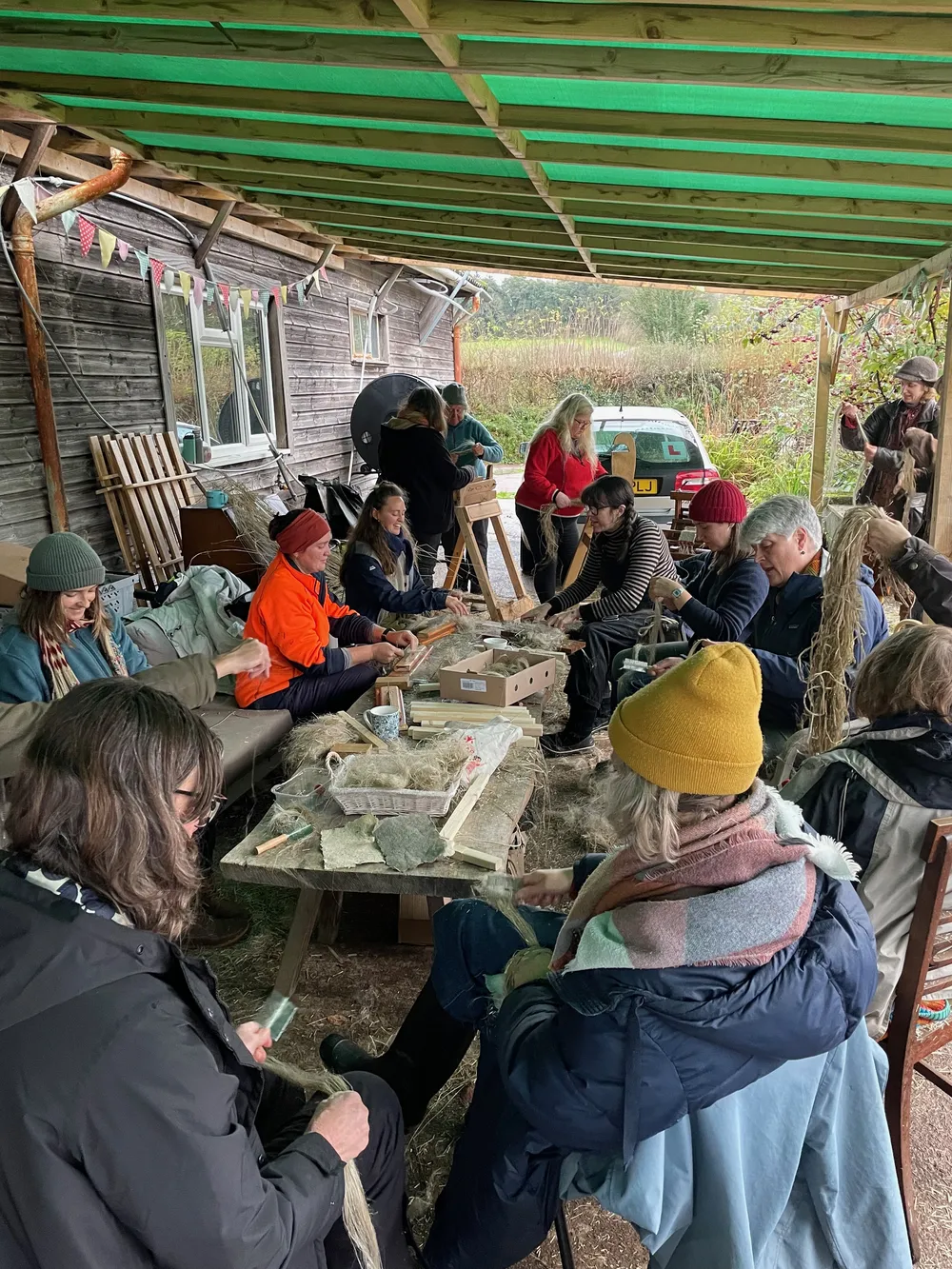
We are excited to co-deliver, with Transition Town Totnes, a multi-year project called “Devon Grows Flax”. Work starts now on community building, heritage research, and skill sharing. It will also include craft-based well-being activities, flax education in schools, creative exhibitions, and the development of a community cloth.

Infrastructure and Inspiration

Alongside this, we are launching a new venture called Common Cloth Works, supported by a small foundation that encourages cooperative and ecological activity. Based on a beautiful farm in South Devon, we will demonstrate the cultivation and production of agroecological textiles with the micro-manufacturing of flax fibre into yarn, cloth, and clothing.

We will do this in partnership with our surroundings, experimenting with innovative methods to keep the farm ecosystem in balance, using old and new knowledge to develop replicable, low-impact production processes. Watch this space for Devon-grown linen!

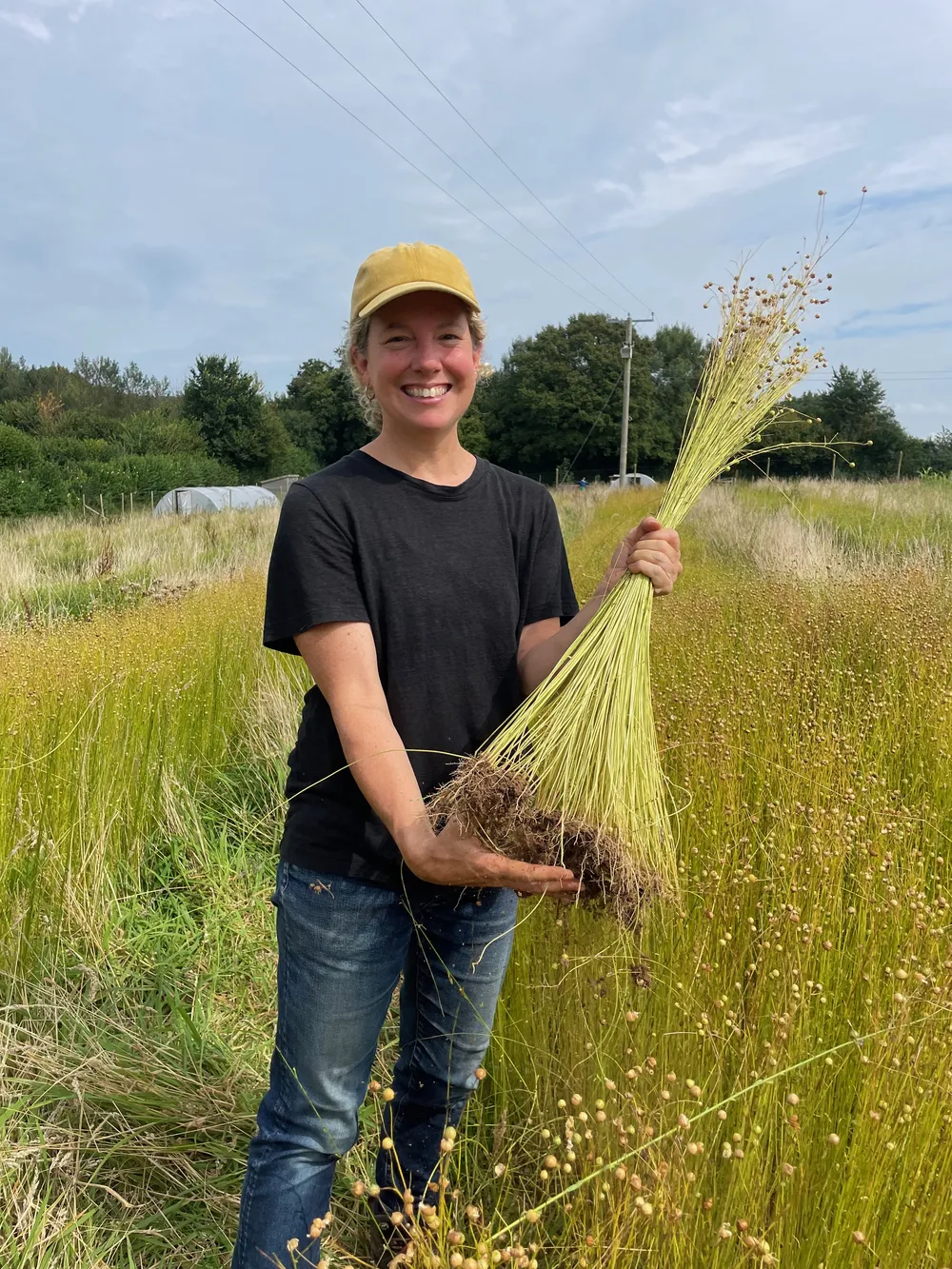
"The Fellowship journey was an amazing catalyst. After several years of developing relationships... it feels like the work we are doing at Liflad is gaining momentum."

Knowledge Exchange

Through my Fellowship I was also able to strengthen relationships I’d already developed in the UK by founding the UK Bast Fibre Network, and to extend these connections across Europe and beyond. The importance of open knowledge exchange cannot be underestimated when you’re doing something new and challenging.

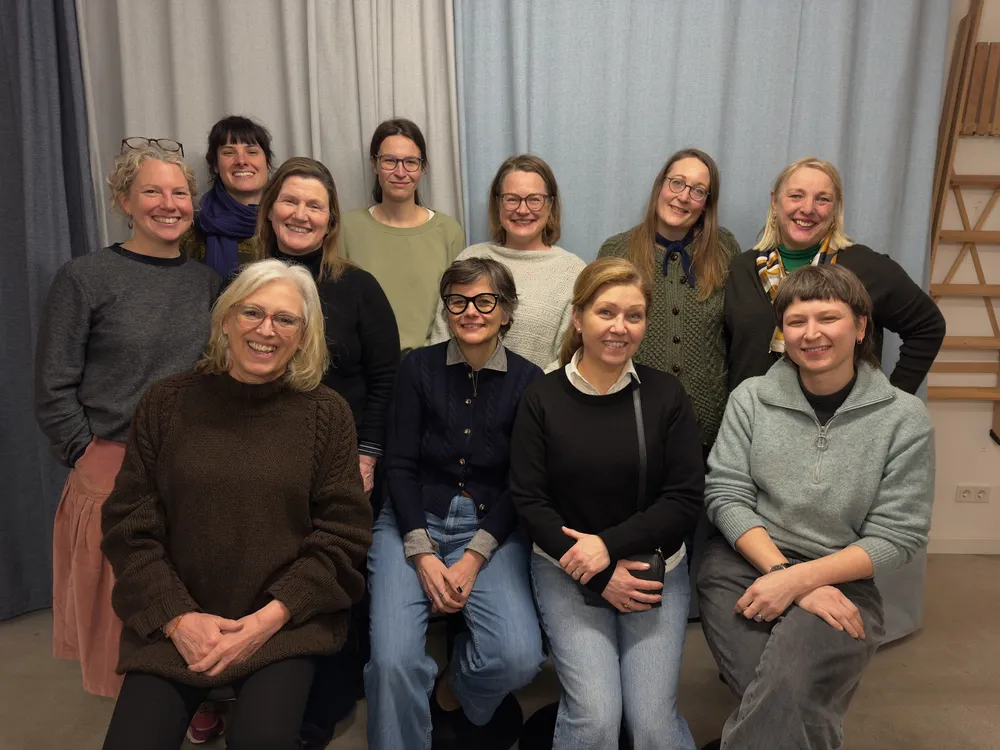
A few weeks ago, I took another long European train ride, this time to Berlin to join nine brilliant women leading community flax and linen projects across Europe. Over several days we discussed our newly formed network, Flax and Linen Community Europe. We established our values, aims, and planned activities for the coming year, such as a conference at Texture, the world’s leading flax museum, in May 2027.

Liflad also works with a group based in Switzerland that is establishing small scale linen and fibre infrastructure. We call ourselves the European Textile Commons, with all of us working towards similar aims, shared values, small-scale machinery, and locally responsive production methods.

Flax-to-Linen Ecosystem

In my Churchill Fellowship report, I describe a flax-to-linen ecosystem in Nova Scotia, Canada. Recently, Jennifer Green, a key part of that ecosystem, got in touch to say that she is now leading Flax Fibre to Fabric, a four-year government-funded research project to explore the potential for commercial flax production in Atlantic Canada.

Her team includes seven professors from four universities across Eastern Canada, impressed by my report and its conclusions on scale, community, and small-scale supply chains. I was honoured to be considered an expert and once again inspired by the synergy, community, and connections that are continually developing with people sharing flax knowledge around the world.

While each community responds to its own local needs, we are also creating related, context-specific approaches to change. This is how I believe we have to approach change – and what the Churchill Fellowship gave me the impetus to do.

You can follow along with Zoe’s work through her company, Liflad.

Disclaimer

The views and opinions expressed by any Fellow are those of the Fellow and not of the Churchill Fellowship or its partners, which have no responsibility or liability for any part of them.

Related

Blogs & conversations

Songwriting for Confidence, Self-Expression, and Connection

During her Churchill Fellowship, songwriter Hannah Louise Partridge – known professionally as Anna Anise – explored how collaborative songwriting retreats in the United States help musicians build confidence, connection, and lasting creative networks. Drawing on visits to six retreat programmes, she reflects on the power of shared creative space to support wellbeing and sustain musical careers. Now applying this learning through her organisation CHORUS Songwriting CIC, she is developing retreats that strengthen community and widen access to songwriting across the UK.

By Hannah Louise Partridge,

Blogs & conversations

A Changemaker Mam: Building Theatre for Survivors

JoJo Kirtley reflects on balancing her Churchill Fellowship with life as a mother of three while exploring how survivor-led theatre can challenge violence against women and girls. Drawing on learning from practitioners across Europe, North America, and Africa, she shares how community-led creative work can build safety, solidarity, and lasting change. Now developing her Theatre of the Survivor framework in the North East of England, JoJo is putting this learning into practice to support women and communities.

By JoJo Kirtley,

Blogs & conversations

Beyond the Beat: Building the Architecture for Creative Communities

Dominic Heslop’s Churchill Fellowship explored the “cultural architecture” that allows creativity to thrive and communities to heal, taking him to Jamaica, Berlin, and Athens – each offering lessons in resilience, expression, and collective care. Back in Sheffield, Dominic is embedding these insights into his grassroots organisation Slambarz, combining artistry with structure to support young people, build community, and show how creativity can strengthen wellbeing and identity.

By Dominic Heslop,

Blogs & conversations

In conversation with Faith Yiminyi: Beyond the learning: a Churchill Fellowship’s lifelong influence

We spoke to Faith Yiminyi about her 2009 Churchill Fellowship, which took her to the United States to explore how dance companies could thrive and open opportunities for young people. At just 21, she set out to learn new styles, work with choreographers, and see how dance could build confidence and enrich communities. More than 15 years on, Faith reflects on how her Fellowship shaped her journey – from running her own dance school, to working in social care and cyber security, and now returning to dance as a board member of a community studio.

By Faith Yiminyi,

Newsletter Sign Up