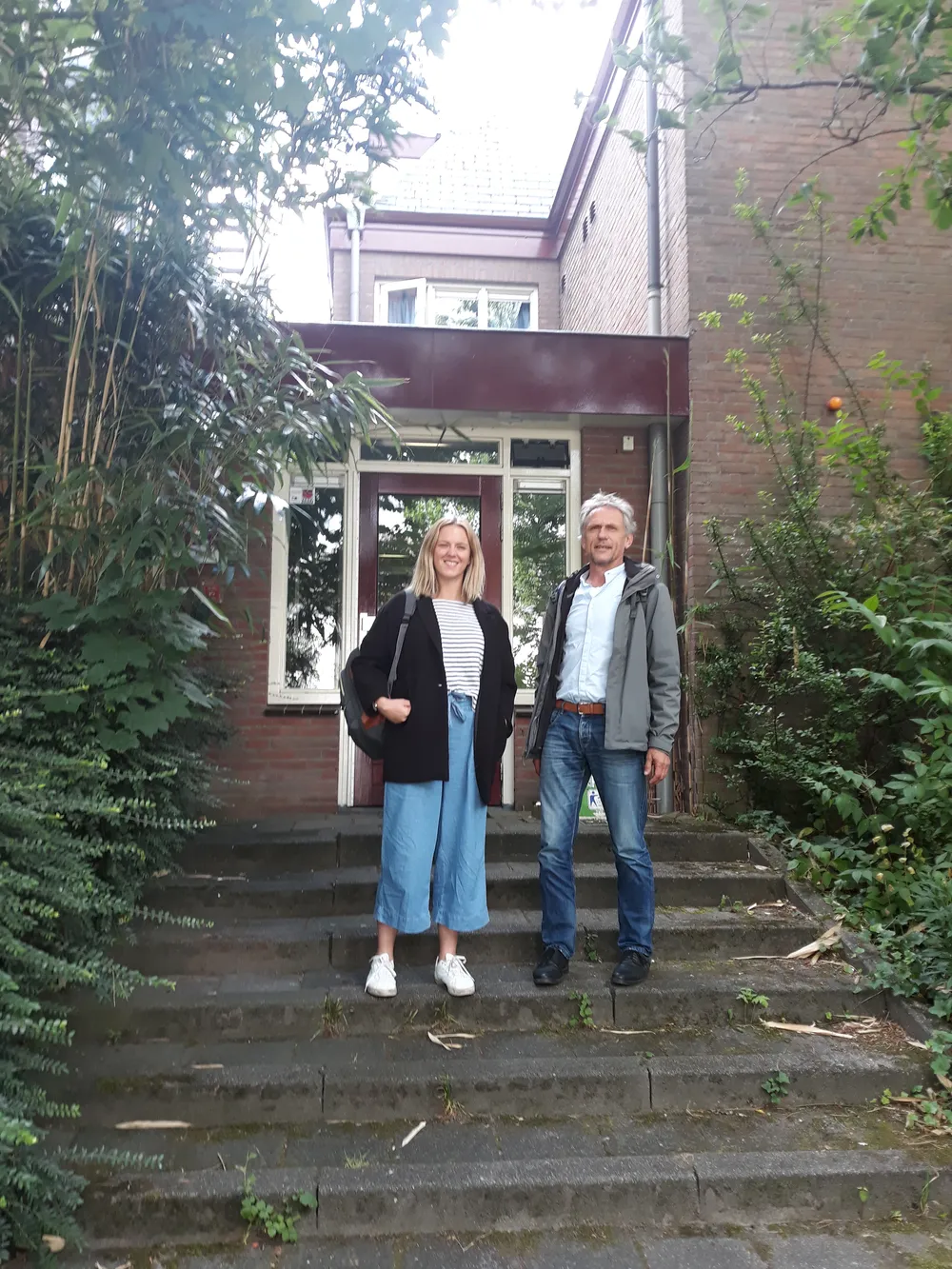
Terri-Anne Hamer (CF 2025) presented at the Consortium for Therapeutic Communities’ annual international conference, sharing work from the Voices of Care Leavers project.
By Terri-Anne Hamer, 2026
About this theme
This theme covers all aspects of the functioning and services of the state, including public services, governance and political processes, rule of law and international relations. It is one of the eight universal themes which form our grantmaking framework and allow us to address every aspect of society. Fellows’ stories
Terri-Anne Hamer (CF 2025) presented at the Consortium for Therapeutic Communities’ annual international conference, sharing work from the Voices of Care Leavers project.
By Terri-Anne Hamer, 2026
Daisy Chapman-Chamberlain (CF 2025) shared early findings from her Churchill Fellowship research into the safety of women and girls on public transport in the September issue of Rail Director.
By Daisy Chapman-Chamberlain, 2026
Ella Hancock reflects on how her Fellowship explored whether shared housing could offer more choice, dignity, and belonging for people at risk of homelessness. Drawing on visits to cohousing communities in the Netherlands, Sweden, and the US, she shares how shared spaces, community-led models, and resident agency can help reduce isolation and create more supportive places to live. As the housing crisis deepens, Ella argues that the strongest ideas from cohousing could help shape more affordable, inclusive housing in the UK.
By Ella Hancock, 2026
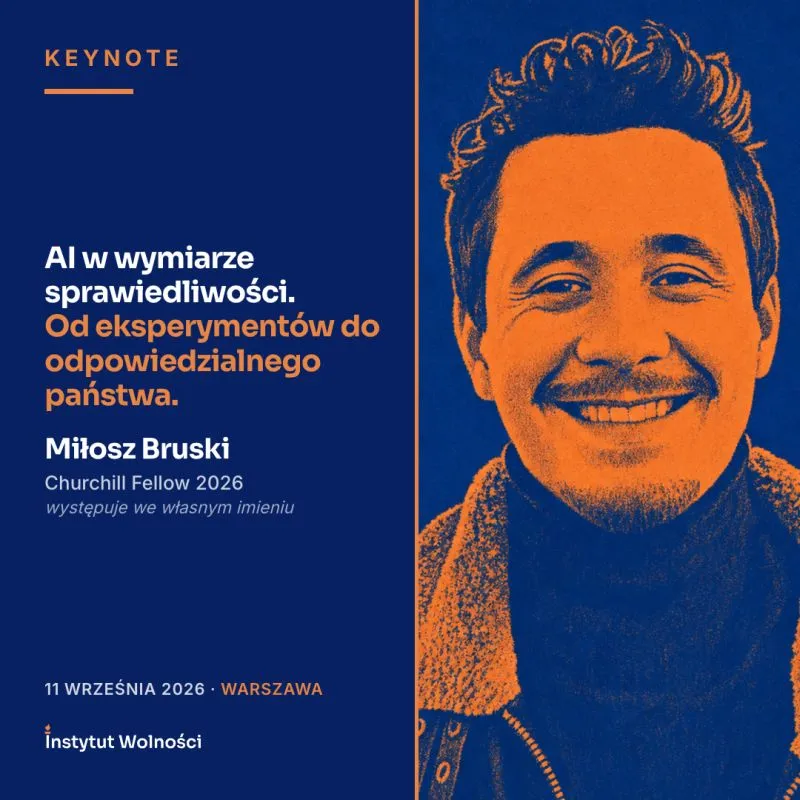
Milosz Bruski (CF 2026) delivered a keynote at Instytut Wolności’s (Freedom Institute) AI: The New Social Contract conference in Warsaw, drawing on his Fellowship research into international approaches to using AI in justice systems.
By Milosz Bruski, 2026
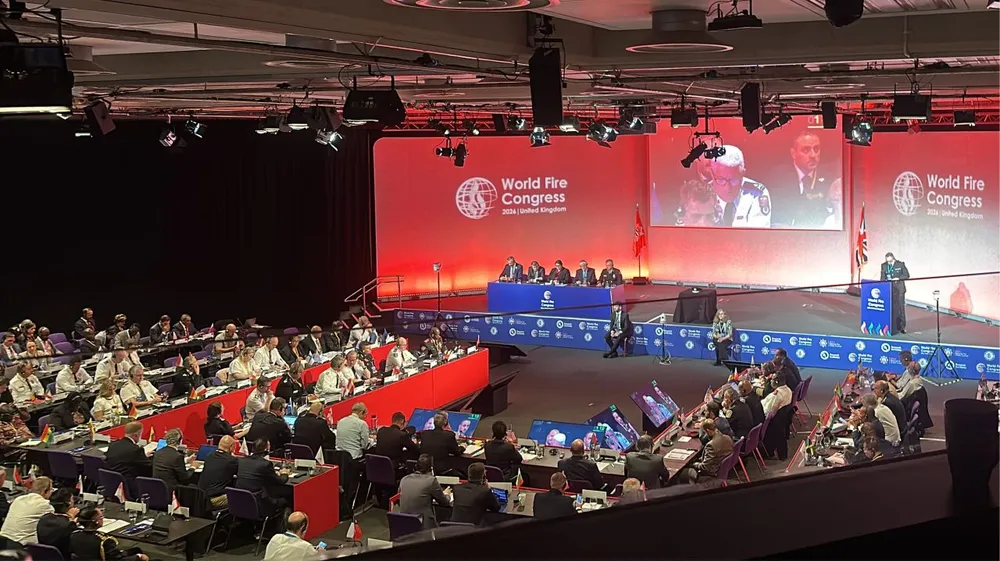
Lucy Macleod (CF 2026) presented her Fellowship project, No One Left Behind, at the World Fire Congress.
By Lucy Macleod, 2026
Terri-Anne Hamer (CF 2025) spoke at It Takes a Village, But Where’s Mine?, a webinar hosted by Coram-i and After Cloud exploring how the life stories and connections of children and young people growing up in care can be meaningfully preserved.
By Terri-Anne Hamer, 2026
Andrew Murphy (CF 2026) appeared on the H2 Liftoff podcast to discuss his work in hydrogen and the energy transition, including the importance of standards, partnerships, and system-level planning.
By Andrew Murphy, 2026
Through the first leg of his Fellowship in the USA, Grant Trainer explored what it means to protect and support children with experience of care. Drawing on learning from organisations in Albany, New York City, Brooklyn, and Seattle, he reflects on approaches that place children’s identity, dignity, and relationships at the heart of protection. He is now bringing this learning back to Scotland, where it is shaping his research into policing, care experience, and trauma-informed support, ahead of the next stage of his Fellowship in New Zealand.
By Grant Trainer, 2026
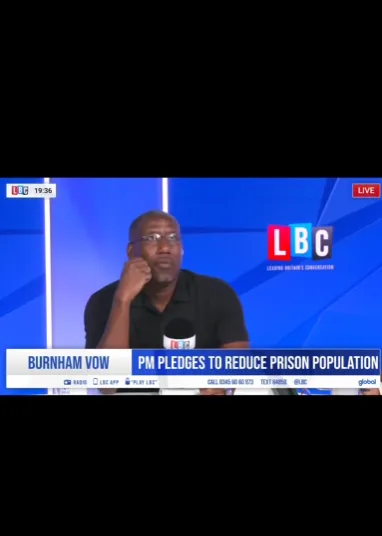
Andrew Morris (CF 2026) spoke to Iain Dale on LBC about government proposals to bring Imprisonment for Public Protection (IPP) sentences to an end.
By Andrew Morris, 2026
We spoke to Melvin Hartley about how his Churchill Fellowship helped him put spontaneous volunteering into practice during the Covid pandemic and beyond. After travelling to the USA to explore how volunteers are organised in response to disasters, Melvin returned to the UK just as lockdown began and used his learning to coordinate community support in Hampshire. His Fellowship also helped shape HYPER (Hampshire Young People’s Emergency Response), showing how older teenagers can play an active role in emergency response.
By Melvin Hartley, 2026